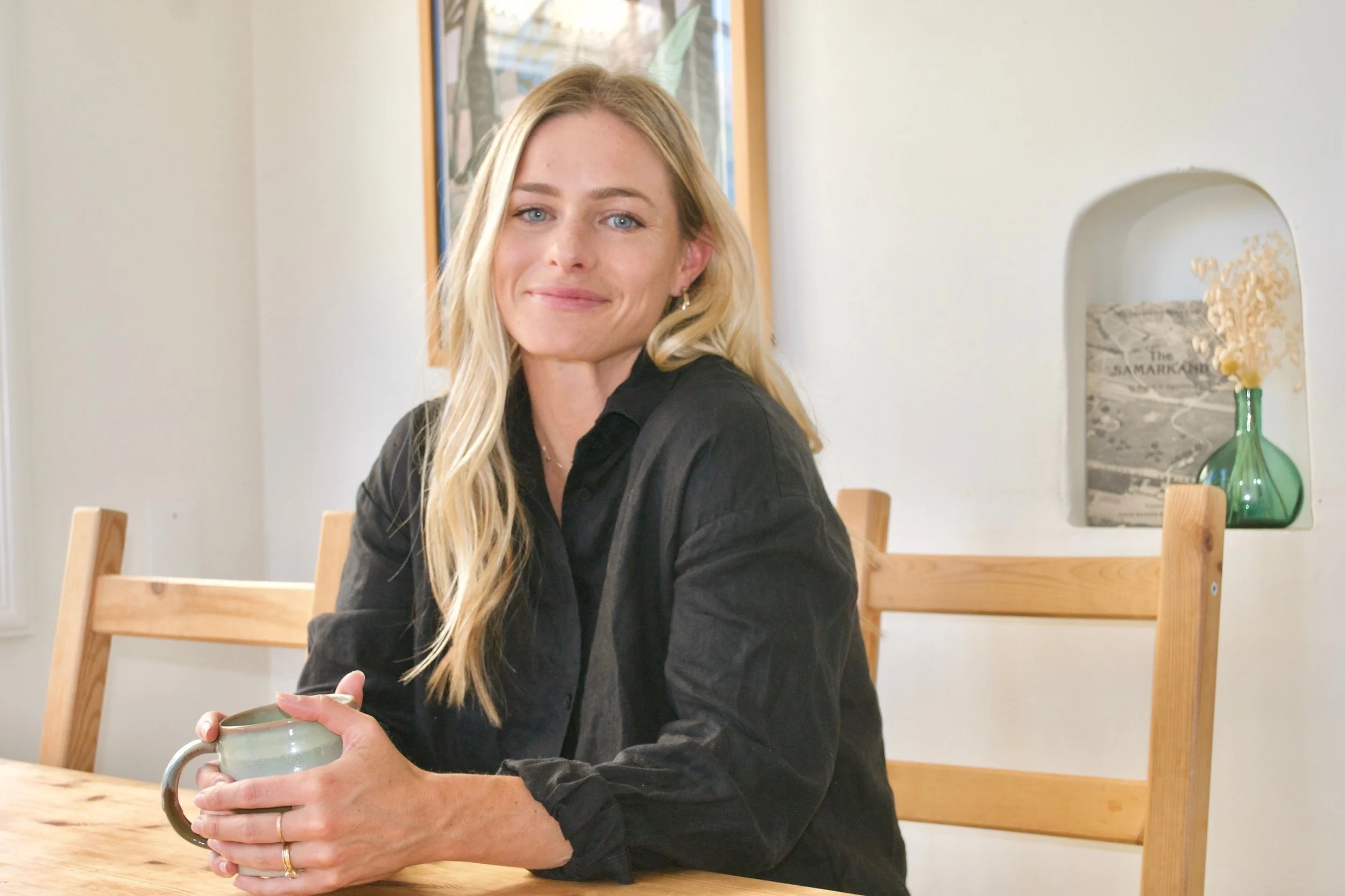
A bit about me
What draws me to this work is my deep curiosity for the human experience. Clients have described my therapy style as a unique combination of warm and direct—warm in the way I bring a friendly and compassionate presence to the room, and direct in the way I am actively engaged in the therapy process, encouraging you to look deeper within.
I believe change takes place through a combination of deeper self-insight, acceptance of what is, and commitment to meaningful action. But therapy is only possible through a strong relationship between a therapist and client, so I look forward to getting to know you and helping you feel seen and understood.
I genuinely enjoy connecting with my clients in curiosity, a sense of humor, and a fascination with the human mind.
My Training
I am a licensed Marriage and Family Therapist in CA through the Board of Behavioral Sciences. I attended Pepperdine University, and went on to receive my Masters in Counseling from Cal State Northridge. My clinical experience includes work in schools, non-profit mental health programs, residential treatment centers, and clinic settings.
I have continued my education through completing all three levels of training in Attachment-Focused EMDR through the Parnell Institute. Most recently, I worked in a clinic that supports many UCSB students and staff, which built my passion for working with college-age individuals and early adulthood transitions.


Tools I Use
My style of therapy is adaptable and person-centered in order to meet you where you’re at, however here are a few of my favorite tools:
Acceptance and Commitment Therapy (ACT): inviting you to develop a deep acceptance of your emotions, decreasing your avoidance strategies, as well as using personal values-based thinking to support your quest for meaning and change
EMDR: a trauma treatment using the nervous system and the body’s natural ability to heal itself in order to more effectively desensitize and reprocess traumatic memories and their impacts. I have received training in Attachment-Focused EMDR through the Parnell Institute, which emphasizes using EMDR for not only acute traumatic experiences, but also complex trauma (collections of upsetting experiences over time) and emphasizes a restorative therapist-client relationship
Psychodynamic Therapy: gaining a deeper insight into your origin story and understanding how your collection of life experiences impact your stance toward the world and patterns that play out in your life
The Nervous System: helping you understand the connection between your mind and body, understanding how life experiences have impacted your default responses, and teaching you ways to communicate ease to your system.